
Dream of transforming plain cakes into edible masterpieces? The elegant, intricate style of Lambeth piping, with its delicate overpiped details, might seem daunting, but it’s an incredibly rewarding skill to learn. This comprehensive Lambeth piping tutorial beginner guide will demystify the process, empowering you to create stunning, regal designs with royal icing.
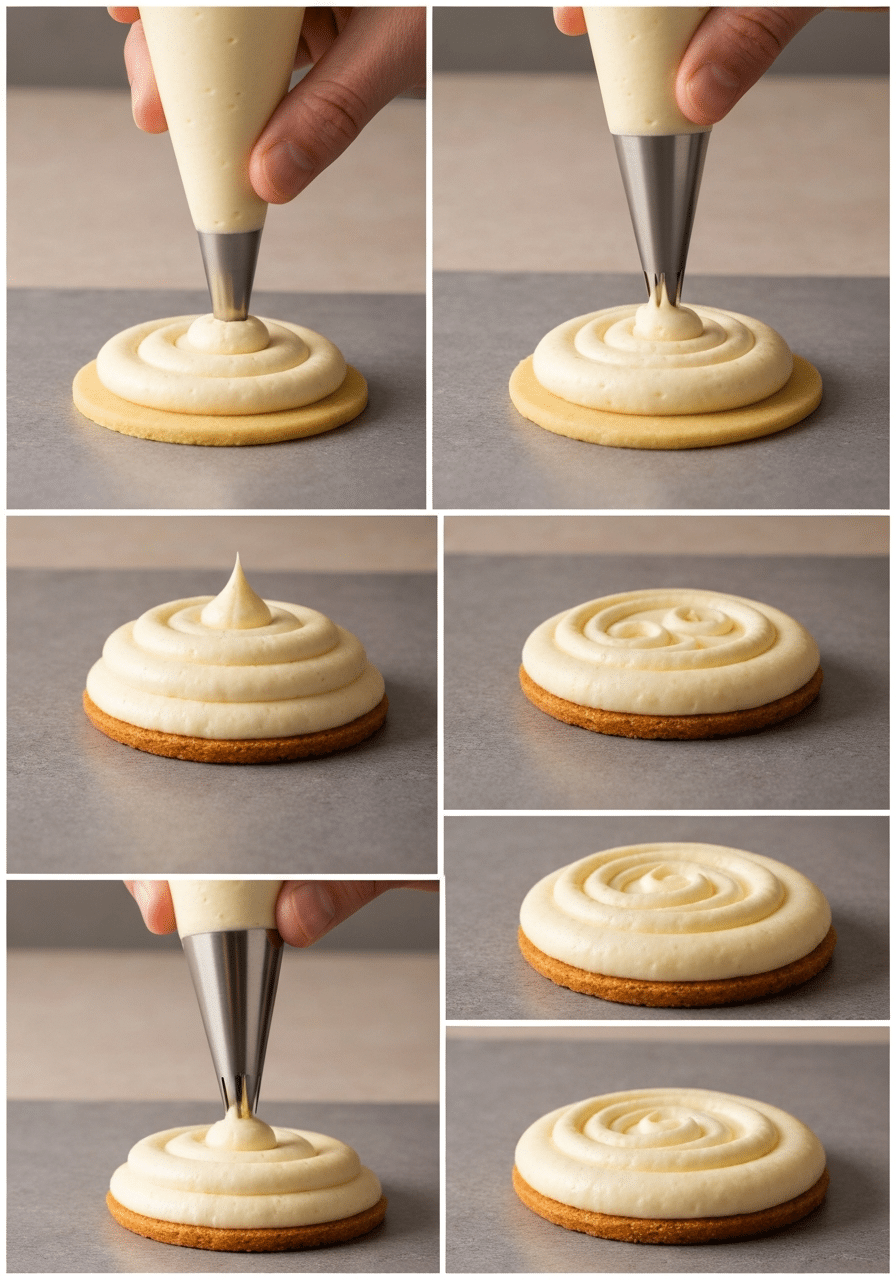
Why This Lambeth Piping Tutorial Beginner Guide Works for You
- Achieve Professional-Looking Cakes: Elevate your home baking with a technique that adds a touch of classic elegance, making every celebration cake truly special. This Lambeth piping tutorial beginner approach ensures you’ll grasp the fundamentals quickly.
- Master Foundational Piping Skills: This guide breaks down complex designs into manageable steps, building your confidence in royal icing control and precision, a crucial step in mastering Lambeth piping.
- Unleash Your Creative Potential: Once you grasp the basics of overpiping and layering through this Lambeth piping tutorial beginner, you’ll discover endless possibilities for customizing cakes, cookies, and more with unique, intricate patterns.
Essential Ingredients for Your Lambeth Piping Journey
While the list of ingredients is short, understanding each component is key to success in your Lambeth piping tutorial beginner experience.
Royal Icing (Stiff Consistency)
This is the heart of Lambeth piping. The consistency is paramount. Too soft, and your delicate designs will sag and lose definition; too stiff, and it will be difficult to pipe smoothly, leading to breakage and hand strain. Aim for a consistency that holds a sharp peak when lifted with a spoon but can still be extruded from a piping bag with moderate pressure. Many pre-made royal icing mixes are available, or you can make your own from meringue powder, powdered sugar, and water. Ensure it’s free of lumps for smooth piping. This stiff consistency is what allows for the intricate layering you’ll learn in this Lambeth piping tutorial beginner.
Food Coloring (Gel or Paste, Optional)
While optional, food coloring allows you to add vibrant hues to your Lambeth designs. Gel or paste colorings are highly recommended over liquid food colorings, as they won’t thin out your royal icing consistency. Start with a tiny amount and gradually add more until you achieve your desired shade. Remember, a little goes a long way, especially with concentrated gel colors. Experimenting with colors is a fun part of any Lambeth piping tutorial beginner.
Step-by-Step Overview: Mastering Lambeth Piping for Beginners
Follow these detailed steps to confidently create beautiful Lambeth designs. This Lambeth piping tutorial beginner is designed for ease and understanding.
Preparing Your Royal Icing for Lambeth Piping
Start by ensuring your royal icing is at a stiff, yet pipeable, consistency. This is crucial for the structural integrity of your overpiped designs. Refer to the ingredients notes for guidance on achieving the perfect texture. This foundational step is vital for any successful Lambeth piping project.
Coloring and Filling Your Piping Bags
If you wish to add color, gently mix in gel or paste food coloring. Fill your piping bags, fitted with various small round, star, or shell tips, ensuring no air bubbles are trapped. Air bubbles can cause breaks in your lines. Use a coupler if you plan to switch tips frequently.
Building Foundational Piping Muscle Memory
Before diving into intricate Lambeth designs, practice basic lines, dots, and small shells on parchment paper or a practice board. This helps develop consistent pressure and control, which are essential skills for any Lambeth piping tutorial beginner.
Laying the Groundwork: Your First Base Line
Pipe a simple, straight horizontal or vertical line on your practice surface. This will serve as the anchor for your elaborate Lambeth overpiping. Think of it as the canvas for your delicate lace.
Introducing Dimension with Overpiping
Using a smaller tip, pipe a second line directly over your base line, creating a slight offset or a gentle scallop. This is where the magic of dimension begins in this Lambeth piping tutorial beginner guide. Focus on smooth, continuous movement.
Embellishing with Decorative Elements
Now, add delicate dots, tiny shells, or graceful scrolls along your overpiped lines. Envision a lace-like pattern forming. Don’t be afraid to experiment with different small details.
Layering for the Signature Lambeth Effect
Continue building your design by layering different piping elements over each other. For truly intricate work, allow previous layers to crust slightly before adding more. This prevents smudging and helps maintain crisp lines.
Exploring Textures with Different Piping Tips
Don’t be afraid to experiment! Utilize various tip sizes and shapes (round, star, shell) to create a rich tapestry of textures and patterns within your Lambeth design. Each tip offers a unique aesthetic. This flexibility is a key takeaway from this Lambeth piping tutorial beginner.
Achieving Consistency for Elegant Results
The hallmark of beautiful Lambeth piping is uniformity. Practice maintaining steady pressure and a consistent angle to ensure smooth, even, and symmetrical results every time. Consistency comes with practice, making every Lambeth piping tutorial beginner session valuable.
Lambeth Piping Tutorial for Beginners
Ingredients
Equipment
Method
- Prepare your royal icing to a stiff consistency. It should hold its shape well without being too crumbly or too soft.
- Color your icing if desired. Fill piping bags with the prepared royal icing. Fit your piping bags with various small round, star, or shell tips.
- Practice basic lines and dots. On a practice board or parchment paper, get comfortable piping consistent lines, dots, and small shells. This builds muscle memory.
- Start with a base line. Pipe a simple horizontal or vertical line on your practice surface. This will be the foundation for your Lambeth design.
- Begin overpiping. Using a smaller tip, pipe a second line directly over the first, slightly offset or creating a small scallop. The key is to create dimension.
- Add decorative elements. Introduce dots, small shells, or scrolls along the overpiped lines. Think about creating a lace-like effect.
- Layer your designs. For a true Lambeth effect, continue layering different piping elements over each other, building up the design. Allow layers to crust slightly if working with very intricate details.
- Experiment with different tips. Try using different sizes and shapes of tips to create varied textures and patterns within your Lambeth design.
- Practice consistency. The beauty of Lambeth piping lies in its uniformity. Practice maintaining consistent pressure and angle for smooth, even results.
Notes
Tips & Variations for Your Lambeth Piping Tutorial Beginner Journey
Here are some additional insights to enhance your learning experience with this Lambeth piping tutorial beginner.
- Consistency is King: We cannot stress this enough – the correct royal icing consistency is the single most important factor for success in Lambeth piping. If it’s too soft, add more powdered sugar; if too stiff, add a tiny drop of water, mixing thoroughly. Adjusting consistency is a skill you’ll hone.
- Work in a Favorable Environment: Royal icing dries quickly! Work in a cool, dry environment to give yourself time to pipe without premature crusting. If working on a large project, keep unused icing covered with a damp cloth to prevent it from drying out.
- Practice Makes Perfect: Lambeth piping is an art that improves with practice. Don’t get discouraged if your first attempts aren’t perfect. Dedicate time to practicing individual elements and combinations. Every session with this Lambeth piping tutorial beginner will refine your skills.
- Using a Coupler: A coupler allows you to change piping tips on the same bag of icing without emptying it. This is incredibly useful when you want to experiment with different tip sizes for various layers of your Lambeth design without wasting icing.
- Color Palette Exploration: While traditional Lambeth piping often features white or pastel tones, don’t hesitate to experiment with bolder color palettes for a modern twist. Consider ombre effects or contrasting colors for different layers to make your designs truly pop.
- Beyond Cakes: Once you’ve mastered this Lambeth piping tutorial beginner technique, apply it to cookies, cupcakes, or even gingerbread houses for stunning edible art. For more fun decorating ideas, check out our cake Pop Recipe and Decorating Tips.
Serving Suggestions: Showcasing Your Lambeth Piping Masterpiece
Lambeth piping is designed to be the star of the show! Use your newly acquired skills to decorate celebration cakes for weddings, anniversaries, birthdays, or any special occasion that calls for a touch of elegance. Imagine a tiered wedding cake adorned with delicate Lambeth lacework, or a birthday cake featuring intricate scrollwork. You can also use smaller Lambeth designs to embellish individual cupcakes or sugar cookies, turning simple treats into miniature works of art. This technique pairs beautifully with classic flavors like vanilla or almond, allowing the visual appeal to take center stage. The intricate details you learn in this Lambeth piping tutorial beginner will surely impress.
Conclusion
Embarking on your Lambeth piping journey is a delightful way to elevate your cake decorating skills. This Lambeth piping tutorial beginner guide has provided you with the foundational knowledge and step-by-step instructions to start creating those breathtaking, layered royal icing designs. Remember, patience and practice are your best tools. So grab your piping bags, mix that royal icing, and prepare to transform your cakes into truly unforgettable edible works of art. Happy piping! For more culinary adventures, explore our Spicy Maple Latte: Cozy Flavor with a Fiery Twist and discover new tastes.
More Recipes
What is Lambeth piping?
Lambeth piping is a classic cake decorating technique originating from the Lambeth Method in the UK, known for creating intricate, three-dimensional, overpiped designs on cakes, often resembling lace or architectural elements. It involves layering multiple piping techniques to build depth and elegance.
What kind of icing is best for Lambeth piping?
Royal icing is traditionally and best suited for Lambeth piping due to its ability to dry hard and hold intricate shapes. It provides the necessary structure and crispness for the detailed designs.
What piping tips do I need for Lambeth piping?
You’ll need a variety of small to medium-sized round, star, and shell tips. Common choices include Wilton tips #1, #2, #3 (round) and #16, #18, #21 (star), and #101, #102 (petal) for specific effects. The key is having a range to create different textures and layers.
Is Lambeth piping difficult for beginners?
While Lambeth piping looks complex, it’s achievable for beginners with practice. The tutorial breaks down the techniques into manageable steps, focusing on building foundational skills before layering designs. Patience and consistent practice are key.
How do I make royal icing for Lambeth piping?
Royal icing for Lambeth piping requires a stiff consistency. It’s typically made from egg whites (or meringue powder), powdered sugar, and a touch of lemon juice or vinegar. The stiff consistency ensures it holds its shape perfectly for intricate details. A common recipe involves beating egg whites until frothy, then gradually adding powdered sugar until very stiff peaks form.