
A perfectly cooked cabbage boil starts long before the pot even touches the stove. The secret to tender, evenly cooked cabbage that truly absorbs all the delicious flavors of your dish lies in one crucial step: how you cut it. Whether you’re aiming for a classic boiled dinner or a simple, healthy side, mastering the technique for how to cut cabbage for cabbage boil is fundamental to culinary success.
This comprehensive guide will walk you through each step, ensuring your cabbage is prepped to perfection for that mouth-watering, tender result every single time.
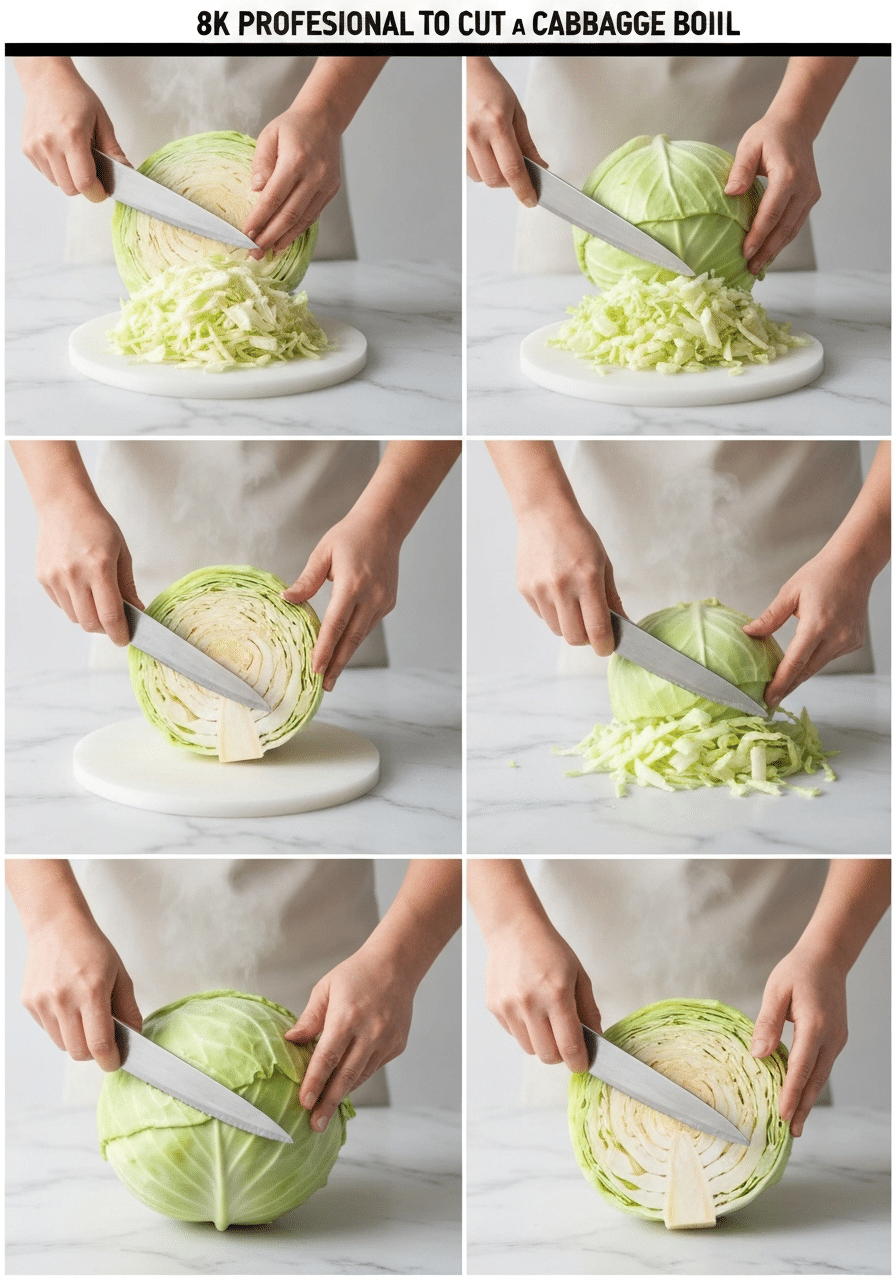
Why Proper Cabbage Cutting Techniques Elevate Your Cabbage Boil
Understanding how to cut cabbage for cabbage boil isn’t just about getting it into the pot; it’s about optimizing your entire dish. Here’s why paying attention to this initial prep makes all the difference:
- Even Cooking: Uniformly sized pieces ensure that every part of your cabbage cooks at the same rate, preventing some pieces from being mushy while others are still tough.
- Optimal Flavor Absorption: Properly cut cabbage, especially when separated slightly, allows the boiling liquid and seasonings to penetrate every leaf, infusing your dish with maximum flavor.
- Tender Texture: Removing the tough core and breaking down the cabbage into manageable pieces helps achieve that desirable, tender texture without overcooking the outer leaves.
Essential Ingredients for Preparing Cabbage for Boiling
When it comes to preparing cabbage for boiling, the star of the show is, of course, the cabbage itself. While the actual boiling ingredients will vary by recipe, understanding your main component is key for how to cut cabbage for cabbage boil effectively.
Choosing the Right Cabbage
- 1 head Cabbage (green or red, for boiling): For most cabbage boil recipes, a standard green cabbage is ideal due to its mild flavor and firm texture that holds up well during cooking. Red cabbage can also be used, offering a slightly different flavor and vibrant color, though its color might bleed into the boiling water. Look for a head that feels heavy for its size, with tightly packed leaves and a fresh appearance. Avoid any with significant bruising, wilting, or discolored spots.
Properly cutting cabbage ensures even cooking and better flavor absorption in your cabbage boil, leading to a delicious and tender result. This guide focuses solely on the preparation, setting the stage for a truly delicious dish.
Step-by-Step Overview: How to Cut Cabbage for Cabbage Boil
Follow these detailed steps to perfectly prepare your cabbage for boiling, ensuring excellent texture and flavor in your finished dish. This process is crucial for achieving an ideal cabbage boil.
Step 1: Prepare Your Cabbage by Removing Outer Leaves
Before you even think about slicing, the first step in how to cut cabbage for cabbage boil is to prepare its exterior. Gently remove any bruised, damaged, or dirty outer leaves from the cabbage head. These leaves can be tough or have an unpleasant texture, and discarding them ensures only the best parts make it into your boil. This initial cleaning is vital for both hygiene and quality.
Step 2: Rinse and Dry the Cabbage Thoroughly
Once the outer leaves are removed, rinse the entire cabbage thoroughly under cold running water. This helps to wash away any remaining dirt, debris, or potential pesticides. After rinsing, pat the cabbage dry with a clean cloth or paper towels. A dry surface not only makes the cabbage easier and safer to handle on your cutting board but also prevents excess water from diluting the flavors of your cabbage boil.
Step 3: Halve the Cabbage Through the Stem
Place the clean, dry cabbage on a sturdy cutting board. Using a sharp, heavy-duty knife, carefully cut the cabbage in half directly through the stem end. This initial cut provides a stable, flat surface, making subsequent cuts much safer and easier to execute. This is a foundational step in how to cut cabbage for cabbage boil into manageable sections.
Step 4: Quarter the Cabbage for Uniformity
With each cabbage half now cut-side down on the board, proceed to cut each half in half again, still going through the stem end. This action will create four equal quarters of cabbage. Quartering ensures that you have consistent pieces to work with, which is key for even cooking in your cabbage boil.
Step 5: Precisely Remove the Tough Core from Each Quarter
From each of the four cabbage quarters, carefully cut out the tough, triangular core. This dense, fibrous part can be unpleasantly chewy if left in, so its removal is essential for a more tender texture when boiled. Angle your knife to make a V-cut around the core, then lift it out. This step significantly improves the eating quality of your boiled cabbage.
Step 6: Choose Your Cut: Chunks or Wedges for Your Cabbage Boil
Now that your cabbage is cored, you have a choice depending on your preference for the cabbage boil. You can either chop the quarters into 1-2 inch pieces, which are ideal for a more integrated, stew-like dish, or leave them as larger wedges if you prefer more substantial, fork-tender pieces. Both methods are valid for how to cut cabbage for cabbage boil; it simply depends on your desired presentation and texture.
Step 7: Gently Separate Leaves for Even Cooking and Flavor
If you’ve chosen to chop your cabbage quarters into smaller pieces, take a moment to gently separate the leaves slightly. This isn’t about individual leaves but ensuring that the layers are not too tightly packed. This subtle separation allows the boiling water and seasonings to circulate more effectively, ensuring they cook evenly and absorb flavors better during the boiling process. This small detail can make a big difference in the final taste of your cabbage boil.
How to Cut Cabbage for Cabbage Boil
Ingredients
Equipment
Method
- Remove any bruised or dirty outer leaves from the cabbage.
- Rinse the cabbage thoroughly under cold running water and pat it dry with a clean cloth or paper towels.
- Place the cabbage on a sturdy cutting board and carefully cut it in half through the stem end.
- Place each cabbage half cut-side down. Cut each half in half again, creating four equal quarters.
- From each quarter, carefully cut out the tough, triangular core. This ensures a more tender texture when boiled.
- Depending on your preference for the cabbage boil, you can either chop the quarters into 1-2 inch pieces or leave them as larger wedges.
- If chopping, you can gently separate the leaves slightly to ensure they cook evenly and absorb flavors better during the boiling process.
Notes
Tips & Variations for Perfect Cabbage Preparation
Beyond the basic steps of how to cut cabbage for cabbage boil, there are several tips and variations that can further enhance your preparation and cooking experience.
Choosing Your Cabbage Type
While green cabbage is traditional, don’t shy away from red cabbage for a vibrant twist. Red cabbage holds its shape beautifully and offers a slightly different, often earthier, flavor profile. Just be aware that its color can bleed, potentially tinting your boiling liquid. Both varieties benefit equally from the proper cutting techniques outlined here.
Storage Tips for Cut Cabbage
If you’ve cut more cabbage than you need, or want to prep ahead, store the cut cabbage in an airtight container or a resealable plastic bag in the refrigerator. It will stay fresh for 2-3 days. For longer storage, you can blanch and freeze it, though the texture might be slightly softer once thawed.
Can I Use Pre-Cut Cabbage?
While fresh whole cabbage is always recommended for the best texture and flavor, pre-cut bagged cabbage can be a time-saver. If using pre-cut, still give it a good rinse and check for any overly large or tough pieces that might need further chopping to ensure even cooking in your cabbage boil.
Essential Equipment for Cutting Cabbage
A sturdy cutting board and a sharp knife are your best friends here. A sharp knife is not only more efficient but also safer, as it requires less force and is less likely to slip. Investing in quality kitchen tools makes the task of how to cut cabbage for cabbage boil much more enjoyable and safe.
Serving Suggestions for Your Delicious Boiled Cabbage
Properly prepared boiled cabbage is incredibly versatile and can be the star or a fantastic side to many meals. Here are some ideas to make your cabbage boil shine:
- Classic Boiled Dinner: Pair it with corned beef, potatoes, and carrots for the ultimate comfort food experience.
- With Sausage or Ham: Boiled cabbage complements the savory flavors of smoked sausage, ham hocks, or even bacon. The rich, salty meats create a wonderful contrast with the mild, tender cabbage.
- As a Healthy Side: A simple side dish seasoned with a knob of butter, salt, and pepper can accompany almost any main course, from roasted chicken to a hearty pork chop. You might even find it pairs well with a flavorful main like The Easiest Crockpot Turkey Breast Recipe for a Flavorful & Moist Meal, offering a fresh counterpoint.
- In Soups and Stews: Once boiled, the tender cabbage can be added to broths for a nourishing soup or to hearty stews for added texture and nutrients. It also makes a great addition to dishes that need a fresh vegetable component, much like how one might balance the richness of Irresistible Swicy Chicken Wings Recipe: Your New Favorite Sweet & Spicy Treat.
Conclusion: The Foundation of a Perfect Cabbage Boil
Mastering how to cut cabbage for cabbage boil is a simple yet powerful skill that elevates your cooking. By following these precise steps—from cleaning and quartering to coring and choosing your desired cut—you ensure that every piece of cabbage is prepared for optimal tenderness, even cooking, and maximum flavor absorption. This foundational preparation sets the stage for a truly delicious and satisfying cabbage boil, proving that attention to detail in the kitchen always pays off. Happy cooking!
What’s the best way to cut cabbage for a boil?
The best way to cut cabbage for a boil is to first remove any outer leaves, rinse it, then cut it into quarters, remove the tough core, and finally chop it into 1-2 inch pieces or leave it in wedges, depending on your desired texture and presentation.
Should I remove the core of the cabbage before boiling?
Yes, it is highly recommended to remove the tough, fibrous core from each cabbage quarter before boiling. This ensures that all parts of the cabbage cook evenly and results in a more tender and enjoyable texture without any hard, chewy bits.
How big should cabbage pieces be for boiling?
For a cabbage boil, you can cut the cabbage into 1-2 inch pieces or leave them as larger wedges (quarters). Smaller pieces will cook faster and be easier to eat, while wedges offer a heartier presentation. Choose based on your preference for the final dish.