
Ever wondered how those stunning edible decorations on cakes and cookies are made? The secret often lies in choosing the right edible paper. But with options like wafer paper vs icing sheet, how do you know which one is best for your culinary masterpiece? This comprehensive guide will demystify their differences, helping you achieve professional-looking results every time.
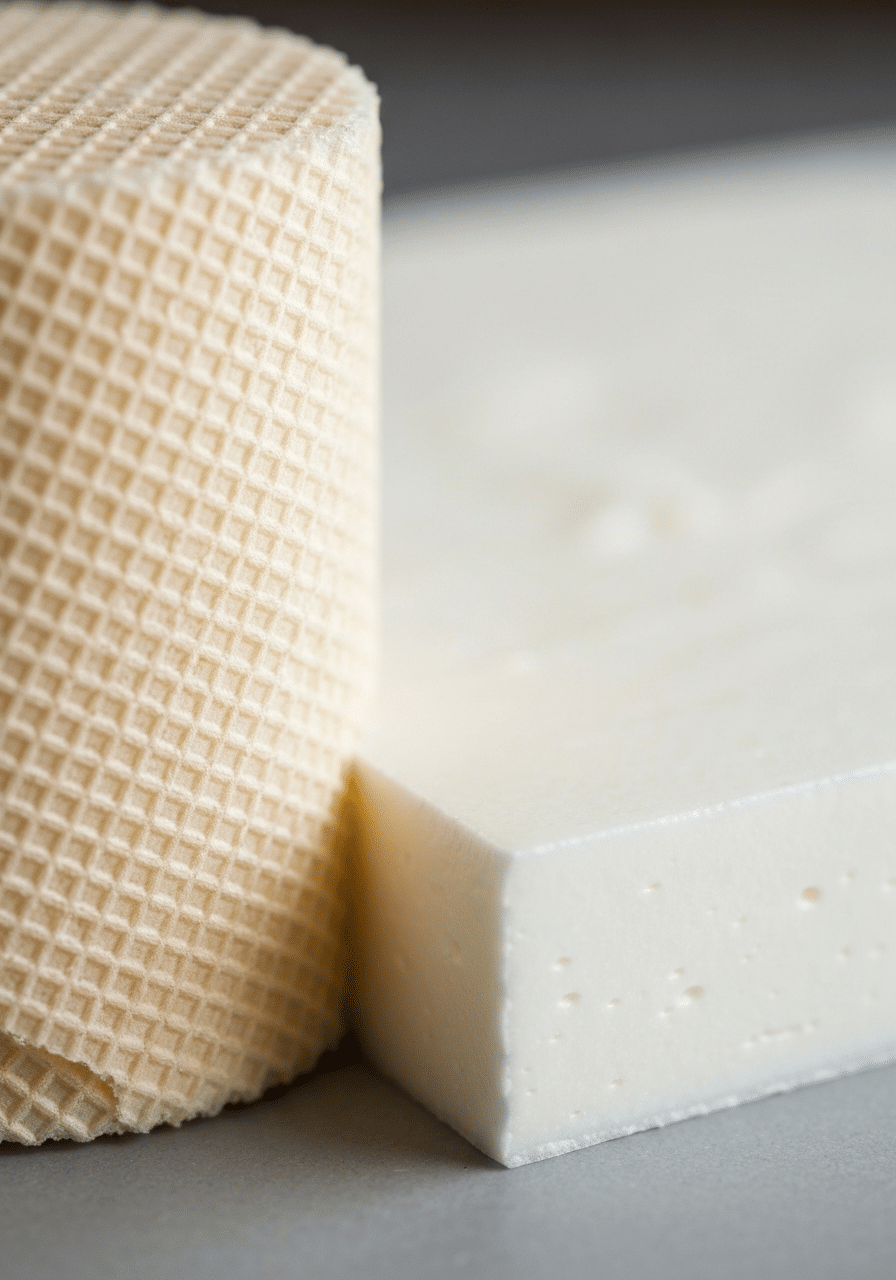
Why This Edible Paper Comparison Works for You
- Empowers you to confidently select the ideal edible paper for any decorating project.
- Helps you avoid common pitfalls and achieve vibrant, long-lasting edible designs.
- Unlocks new creative possibilities for personalized cakes, cookies, and desserts.
Understanding Your Edible Canvas: Wafer Paper and Icing Sheets Explained
When it comes to edible decorations for cakes, cookies, and other confections, wafer paper and icing sheets are two of the most commonly used materials. While both allow for edible printing and creative designs, they have distinct characteristics that make them suitable for different applications. Understanding these differences is crucial for achieving the desired look and taste for your edible creations.
Exploring Wafer Paper: The Versatile & Economical Choice
Wafer paper, often known as rice paper, is a popular edible paper primarily composed of potato starch, water, and vegetable oil. It boasts a slightly translucent appearance and a distinct crisp, dry texture. Its affordability and ease of handling have made it a go-to for many decorators, especially for projects requiring structural elements or a more understated aesthetic.
- Texture: Thin, notably crisp, and can be somewhat brittle. While it softens when exposed to moisture, it tends to re-harden as it dries.
- Taste: Generally flavorless, though some may perceive a very subtle starchy undertone, which typically doesn’t interfere with the dessert’s overall flavor profile.
- Print Quality: Due to its porous nature, prints on wafer paper tend to appear less vibrant and somewhat muted. It’s an excellent choice for designs where subtle colors, a rustic charm, or a delicate, artistic look are desired.
- Flexibility: Less flexible compared to icing sheets, meaning it’s prone to cracking or tearing if bent too sharply. It excels in flat applications or for crafting simple, three-dimensional shapes.
- Durability: Holds its form effectively in dry environments. However, it can be quite sensitive to humidity, which might cause it to curl, buckle, or even melt if exposed to excessive moisture.
Best Uses for Wafer Paper:
- Creating standing edible decorations such as delicate butterflies, intricate flowers, or elegant feathers that require rigidity.
- Crafting unique cake wraps or borders, especially when applied to dry surfaces like fondant or royal icing.
- Designing cupcake toppers that need to stand upright, adding height and dimension to your treats.
- Producing edible art where a delicate, translucent, or ethereal effect is the goal.
Delving into Icing Sheets: For Vibrant & Seamless Designs
Icing sheets, frequently called sugar sheets or frosting sheets, are essentially a thin, edible layer of icing. This layer, typically made from sugar, various starches, and gums, is pressed onto a flexible plastic backing. They are considerably thicker and more pliable than wafer paper, offering a smooth, almost fabric-like texture that integrates beautifully with frosted surfaces.
- Texture: Characteristically smooth, highly pliable, and possesses a slightly chewy quality. A key advantage is its ability to melt seamlessly into the icing of a cake, creating a unified surface.
- Taste: Sweet, often with a pleasant vanilla-like flavor, specifically formulated to complement and blend with the taste of your cake or dessert.
- Print Quality: These sheets are renowned for producing exceptionally vibrant, high-resolution prints with rich, true-to-life colors. This makes them the ideal medium for detailed images, photographs, and intricate graphic designs.
- Flexibility: Exceptionally flexible, allowing them to effortlessly conform to curved surfaces without any risk of cracking or tearing. Their pliability also makes them easy to cut into highly intricate shapes.
- Durability: More robust and significantly less susceptible to the adverse effects of humidity than wafer paper. They adhere exceptionally well to a wide range of frosting types, ensuring your decorations stay put.
Best Uses for Icing Sheets:
- Creating stunning photo cakes or any edible image requiring precise, highly detailed reproductions.
- Applying full cake wraps that need to drape smoothly and flawlessly over the contours and curves of a cake.
- Decorating cookies where a smooth, sweet finish and vibrant design are paramount, like these delightful Toll House Cookie recipe: Bake, Decorate, & Enjoy! ideas.
- Crafting edible embellishments that demand vivid colors, sharp details, and a seamless integration with the dessert.
Wafer Paper vs Icing Sheet: A Side-by-Side Comparison for Your Next Project
To truly understand the nuances, let’s explore a direct wafer paper vs icing sheet breakdown across several crucial aspects:
Composition: What Are They Made Of?
The core difference in wafer paper vs icing sheet begins with what they’re made of. Wafer paper is primarily potato starch, water, and vegetable oil, acting like a very thin, edible starch sheet. Icing sheets, conversely, are a blend of sugar, starches, and gums, often with a vanilla flavor, essentially a flexible layer of solid frosting.
Texture: Feel the Difference
When comparing the feel, the wafer paper vs icing sheet textural experience is starkly different. Wafer paper is crisp, dry, and somewhat brittle, comparable to a very thin communion wafer. Icing sheets are smooth, pliable, and slightly chewy, feeling more like a very thin fondant or a soft, edible fabric.
Print Quality: Color Vibrancy & Detail
For print vibrancy, the choice between wafer paper vs icing sheet will significantly impact your design. Wafer paper prints tend to be muted and less vibrant due to its porous surface, ideal for softer, artistic designs. Icing sheets deliver vibrant, high-resolution prints with rich, true colors, perfect for photos and intricate details.
Flexibility: Bending Without Breaking
Considering flexibility, the wafer paper vs icing sheet debate often comes down to how much curve your design needs. Wafer paper offers low flexibility, prone to cracking if bent sharply, making it best for flat or gently curved surfaces. Icing sheets boast high flexibility, easily conforming to curves and intricate shapes without breaking.
Taste: Flavor Profile
While often overlooked, the taste difference in wafer paper vs icing sheet can matter for discerning palates. Wafer paper is largely flavorless, with a very subtle starchy taste that usually goes unnoticed. Icing sheets are sweet, with a pleasant vanilla-like flavor that enhances the dessert it adorns.
Cost: Budgeting Your Edible Art
Finally, understanding the cost implications of wafer paper vs icing sheet can help guide your purchasing decisions. Wafer paper is generally less expensive, making it a budget-friendly option for larger projects or practice. Icing sheets are generally more expensive, reflecting their premium print quality and seamless integration.
Wafer Paper vs Icing Sheet: A Comprehensive Comparison
Ingredients
Method
- When it comes to edible decorations for cakes, cookies, and other confections, wafer paper and icing sheets are two of the most commonly used materials. While both allow for edible printing and creative designs, they have distinct characteristics that make them suitable for different applications. Understanding these differences is crucial for achieving the desired look and taste for your edible creations.
- Wafer paper, also known as rice paper, is an edible paper made primarily from potato starch, water, and vegetable oil. It has a slightly translucent quality and a crisp, dry texture. It’s relatively inexpensive and easy to handle, making it a favorite for many decorators.
- Texture: Thin, crisp, and slightly brittle. It can become soft when exposed to moisture but will re-harden.
- Taste: Mostly flavorless, though some may detect a very subtle starchy taste.
- Print Quality: Prints appear less vibrant and somewhat muted due to its porous nature. It’s best for designs where subtle colors or a rustic look are desired.
- Flexibility: Less flexible than icing sheets, prone to cracking or tearing if bent sharply. Best for flat applications or simple shapes.
- Durability: Holds its shape well in dry conditions. Can be affected by humidity, causing it to curl or melt if exposed to too much moisture.
- Standing edible decorations (e.g., butterflies, flowers, feathers)
- Cake wraps or borders (when applied to dry surfaces)
- Cupcake toppers that need to stand upright
- Edible art where a delicate or translucent effect is desired
- Icing sheets, often referred to as sugar sheets or frosting sheets, are a thin layer of icing (made from sugar, starches, and gums) pressed onto a flexible plastic backing. They are much thicker and more pliable than wafer paper and have a smooth, almost fabric-like texture.
- Texture: Smooth, pliable, and slightly chewy. Melts seamlessly into the icing of a cake.
- Taste: Sweet, with a vanilla-like flavor, designed to blend with the cake’s taste.
- Print Quality: Produces vibrant, high-resolution prints with rich colors, making them ideal for detailed images and photos.
- Flexibility: Highly flexible, allowing them to conform to curved surfaces without cracking. Easy to cut into intricate shapes.
- Durability: More robust and less susceptible to humidity than wafer paper. Adheres well to various types of frosting.
- Photo cakes or highly detailed edible images
- Full cake wraps that need to drape smoothly over curves
- Cookie decorations where a smooth, sweet finish is desired
- Edible embellishments that require vibrant colors and sharp details
- Composition: Wafer paper (starch, water, oil) vs. Icing sheets (sugar, starches, gums).
- Texture: Wafer paper (crisp, dry, brittle) vs. Icing sheets (smooth, flexible, chewy).
- Print Quality: Wafer paper (muted, less vibrant) vs. Icing sheets (vibrant, high-resolution).
- Flexibility: Wafer paper (low) vs. Icing sheets (high).
- Taste: Wafer paper (flavorless/starchy) vs. Icing sheets (sweet, vanilla-like).
- Cost: Wafer paper (generally less expensive) vs. Icing sheets (generally more expensive).
- Choosing between wafer paper and icing sheets depends entirely on your project’s needs. For delicate, standing decorations or subtle designs where cost is a major factor, wafer paper is an excellent choice. For vibrant, detailed images, full cake wraps, or decorations that need to seamlessly blend with the cake, icing sheets are the superior option. By understanding their unique properties, you can confidently select the best edible paper to bring your confectionery visions to life.
Notes
Expert Tips & Handling for Wafer Paper and Icing Sheets
Working with edible papers can elevate your baking, but a few pro tips will ensure your creations look flawless. While working with both, remember the distinct properties of wafer paper vs icing sheet:
- Storage is Key: Always store both wafer paper and icing sheets in a cool, dry place, sealed tightly in their original packaging. This prevents them from drying out, becoming brittle, or absorbing unwanted moisture, which can ruin their integrity.
- Humidity Control: Be extra mindful of humidity when working with wafer paper. High moisture levels can cause it to curl, buckle, or even melt. For icing sheets, while more robust, extreme humidity can still affect application.
- Application Surfaces: Wafer paper adheres best to dry surfaces like fondant, royal icing, or even chocolate. For icing sheets, they seamlessly blend into buttercream, ganache, or even cream cheese frosting. Ensure your frosting is smooth before application for the best results.
- Cutting Techniques: Both can be cut with sharp scissors or an X-Acto knife. For intricate designs on icing sheets, a craft cutting machine (like a Cricut or Silhouette) can be a game-changer, allowing for precision cuts. For wafer paper, ensure your tools are dry to prevent sticking.
- Edible Glue: For attaching smaller wafer paper pieces or securing edges, a tiny dab of edible glue or even corn syrup can work wonders.
- Layering: Consider layering different types of edible paper. For instance, you might use an icing sheet for a vibrant base image and then add delicate, standing wafer paper elements on top for dimension.
Choosing Your Edible Paper: When to Use Which for Stunning Results
The ultimate decision between wafer paper vs icing sheet depends entirely on your project’s needs. Each material shines in different scenarios:
- Go for Wafer Paper When: You need standing elements like delicate flowers or butterflies that hold their shape. You’re aiming for a subtle, artistic, or translucent effect. Your budget is a consideration, as it’s generally more economical. You’re applying to dry surfaces or creating elements that don’t need to blend seamlessly. For instance, consider using wafer paper for decorative elements on top of a delicious batch of Baked Beans Recipe That Hits the Sweet & Smoky Spot Every Time, if you were making a quirky food-themed cake!
- Opt for Icing Sheets When: Your design demands vibrant colors, high-resolution images, or photographic quality. You need the decoration to seamlessly melt into the frosting, creating a smooth, unified surface. You’re decorating curved surfaces or need high flexibility for intricate cuts. You want a sweet, vanilla-flavored edible decoration that complements your dessert’s taste.
Often, the most stunning creations utilize both! Imagine a cake with a vibrant icing sheet photo as the centerpiece, surrounded by delicate, standing wafer paper flowers. Experimentation is key to discovering your favorite techniques and achieving truly unique edible art.
Conclusion: Master Your Edible Decorations with Confidence
Navigating the world of edible decorations becomes much simpler once you understand the fundamental differences in wafer paper vs icing sheet. From their unique compositions and textures to their distinct print qualities and ideal applications, each offers a powerful tool for transforming your baked goods into edible masterpieces. By thoughtfully considering your project’s needs – whether it’s a delicate standing butterfly or a vibrant photo cake – you can confidently select the best edible paper to bring your confectionery visions to life. Happy decorating!
What is wafer paper made of?
Wafer paper is an edible paper primarily composed of potato starch, water, and vegetable oil. It has a thin, crisp texture and is largely flavorless.
What are icing sheets made of?
Icing sheets, also known as sugar sheets or frosting sheets, are a thin layer of icing made from a blend of sugar, starches, and gums, typically pressed onto a flexible plastic backing. They are sweet and pliable.
What is the main difference in appearance between wafer paper and icing sheets?
Wafer paper is thinner, more translucent, and has a matte finish, resulting in muted print colors. Icing sheets are thicker, opaque, and produce vibrant, high-resolution prints with a smoother finish.
When should I use wafer paper for cake decorating?
Wafer paper is ideal for standing decorations like edible flowers, butterflies, or feathers, and for applications where a subtle or slightly translucent effect is desired. It’s also a good choice when budget is a concern.
When should I use icing sheets for cake decorating?
Icing sheets are best for photo cakes, detailed edible images, full cake wraps, or any design requiring vibrant colors and sharp details. Their flexibility allows them to conform to curved surfaces and blend seamlessly with frosting.